
Getting dressed for work or semi-formal settings can feel confusing, especially when the dress code is neither strict nor relaxed. That in-between space is where business casual outfit ideas become especially useful. The goal is simple: look polished without feeling overdressed, and stay comfortable without looking too relaxed.
Recent fashion coverage and workplace style discussions have shown a steady shift toward softer tailoring, cleaner silhouettes, and more flexible wardrobes. Offices are no longer limited to rigid suits-and-ties uniforms. Instead, modern dressing leans into smart combinations that still look professional but feel more natural in everyday life. That is where business casual outfit ideas help bridge the gap.
This expanded guide breaks down practical ways to build outfits that look sharp without being complicated. It also includes casual outfit ideas for days when the dress code allows more freedom, along with simple styling principles that make everything easier to put together.
Understanding Modern Business Casual Style
Business casual has evolved into something more flexible than it used to be. Instead of strict rules, it now focuses on balance. It is about combining structured pieces with relaxed ones in a way that still looks intentional.
Blazers, tailored pants, polo shirts, button-downs, knitwear, and smart loafers are common foundations. However, modern styling allows more creativity, including softer fabrics and relaxed fits. Brands like Uniqlo, Zara, and H&M have helped make this style more accessible by offering affordable, clean-cut pieces that work in a variety of settings.
The key idea is not perfection. It is consistency. Outfits should look coordinated without appearing overly formal or too casual. A well-balanced outfit often combines one structured piece, one neutral base, and one relaxed or textured element.
Why Business Casual Outfit Ideas Matter in Daily Dressing
Having clear outfit ideas saves time and removes daily decision fatigue. Instead of guessing what works together, a structured approach helps build outfits faster and more confidently.
Many people struggle with mixing formal and casual pieces. A blazer might feel too formal for jeans, while sneakers might feel too relaxed for office wear. This is where simple styling combinations solve the problem by showing how these pieces can work together naturally.
Strong outfit planning also improves wardrobe use. Instead of relying on only a few favorite items, more pieces get used in rotation, making the wardrobe feel more functional and less repetitive. Over time, this also improves the consistency of personal style.
Building a Strong Base for Business Casual Outfits
A solid wardrobe starts with basics that work in multiple combinations. Neutral shirts, well-fitted trousers, and simple outerwear form the foundation of most business casual looks.
Shirts in white, light blue, beige, and soft gray are especially versatile. They pair well with both dark and light bottoms. Pants in black, navy, olive, and khaki create flexibility and can easily shift between formal and relaxed settings.
Another important element is fabric quality. Cotton poplin, Oxford cloth, and lightweight wool blends tend to hold shape better and look more refined throughout the day.
For structured basics with a minimalist aesthetic, brands like Banana Republic and J.Crew are often found in business-casual wardrobes for their clean tailoring and reliable silhouettes.
Smart Color Choices for Business Casual Styling
Color plays a major role in how polished an outfit looks. Neutral tones are often the safest starting point because they naturally blend well together and reduce styling mistakes.
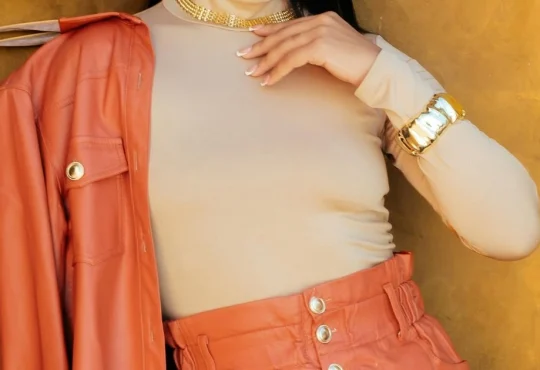
Earth tones such as beige, olive, navy, taupe, and soft brown are especially popular in modern fashion trends. These colors create a calm, professional appearance without feeling rigid or overly formal.
A useful approach is pairing one neutral base with one accent tone. For example:
- Navy trousers with a white shirt and beige blazer
- Black pants with a gray knit and olive overshirt
- Khaki chinos with a light blue shirt and brown loafers
This approach keeps outfits visually balanced without becoming too plain or too loud.
Business Casual Outfit Ideas for Everyday Work Settings
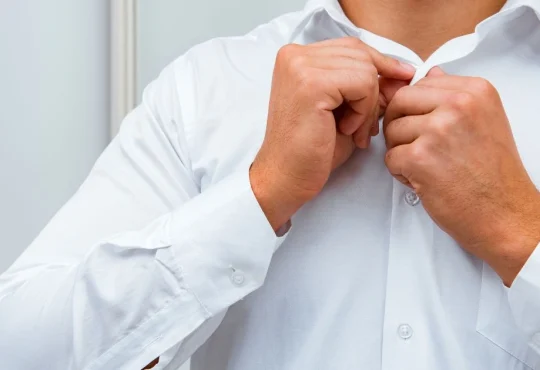
Creating everyday outfits becomes easier when a few reliable combinations are already established. These outfits can be repeated with small variations to keep things fresh. One classic combination is a fitted button-down shirt with tailored trousers and loafers. This works for meetings, office days, and semi-formal events.
Another option is a polo shirt paired with chinos and a light jacket. This version leans slightly more relaxed while still maintaining structure. A third option is a knit sweater layered over a collared shirt, paired with slim-fit pants. This adds depth while staying professional.
Modern minimalist brands like Everlane focus heavily on versatile essentials, making it easier to build outfits that can be worn across different work environments without much adjustment.
Casual Outfit Ideas That Still Look Put Together
Not every day requires structured dressing. This is where casual outfit ideas come in. These outfits prioritize comfort but still maintain a sense of intention. A simple example includes straight-leg jeans, a plain t-shirt, and clean sneakers. The key is keeping the fit structured, not oversized or sloppy.
Another option is relaxed trousers paired with a lightweight sweatshirt or knit top. This works well for hybrid work environments or creative offices. Layering also plays a role in casual styling. A simple overshirt or denim jacket can elevate even the most basic outfit without making it look overly formal.
The goal is not to dress up, but to avoid looking careless. Clean lines and coordinated tones make even simple outfits feel more refined.
Layering Techniques That Improve Business Casual Looks
Layering adds dimension and structure without complicating an outfit. It also helps adapt to changing environments, such as moving between air-conditioned offices and outdoor settings. A lightweight blazer over a plain shirt instantly upgrades a simple outfit. Cardigans, overshirts, and thin jackets also add structure while maintaining comfort.
A common modern approach is “soft layering,” in which pieces are chosen for their texture rather than their stiffness. For example, a knit blazer over a cotton tee creates a relaxed but still professional aesthetic.
Layering also allows seasonal flexibility, making outfits more practical throughout the year.
Choosing the Right Shoes for Business Casual Outfits
Shoes often define how formal or relaxed an outfit appears. In business casual styling, footwear plays a major role in completing the overall look. Loafers are a strong choice for a more polished appearance. Derby shoes and minimalist leather sneakers offer slightly different tones of formality.
Clean sneakers have become widely accepted in modern workplaces, especially when paired with structured trousers or a blazer. The key is simplicity—no heavy branding or overly sporty designs.
The goal is consistency. Shoes should support the outfit’s tone rather than distract from it.
Accessories That Complete the Look
Accessories are subtle but important in business casual styling. They help create cohesion without overpowering the outfit. A simple leather belt that matches the shoe color creates visual balance. Watches add a refined touch, especially when kept minimal and classic in design. Bags also matter. Structured totes, leather backpacks, or slim briefcases work well depending on the setting. The idea is to combine functionality with a clean design.
Avoid over-accessorizing. One or two well-chosen pieces are usually enough to complete the look.
Seasonal Adaptation for Business Casual Styling
Outfits naturally shift with the seasons. Fabric and layering choices make the business casual style adaptable year-round. In warmer weather, breathable fabrics like cotton and linen help keep you comfortable. Short-sleeve polos and lightweight trousers also work well.
In colder months, wool blends, heavier knits, and structured coats provide warmth while maintaining shape. Color also shifts seasonally. Lighter tones often appear in spring and summer, while deeper shades like charcoal, burgundy, and forest green become more common in fall and winter.
Common Mistakes in Business Casual Dressing
One common mistake is mixing too many styles at once. Combining sporty, formal, and overly casual pieces without balance can make an outfit feel inconsistent.
Another issue is poor fit. Even expensive clothing can look unpolished if the fit is incorrect. Tailoring often matters more than brand or price. Overcomplicating outfits is also a frequent problem. Too many layers or colors can reduce clarity. Simple combinations usually create stronger results.
Building a Long-Term Wardrobe Strategy
A well-planned wardrobe reduces daily stress and improves consistency. Instead of constantly buying new pieces, focus shifts toward building combinations that already work together.
A capsule wardrobe approach is often effective: a small selection of neutral basics supported by a few accent pieces. This allows for the maximum number of outfit combinations with minimal clothing.
Over time, this approach develops a more consistent personal style that works across different settings, including office environments, travel, and social events.
Frequently Asked Questions
- What Are the Best Business Casual Outfit Ideas for Work?
Button-down shirts with chinos, blazers with jeans, or knitwear with tailored trousers create balanced, polished outfits that feel professional yet comfortable.
- How Can Casual Outfit Ideas Still Look Stylish?
Focus on clean fits, neutral colors, and simple combinations like jeans with plain shirts and sneakers to keep the look effortless but intentional.
- What Clothes Work Best for Business Casual Style?
Button-down shirts, chinos, tailored trousers, blazers, knitwear, and loafers are essential pieces for building a versatile business-casual wardrobe.
- Can Sneakers Be Worn in Business Casual Outfits?
Yes. Clean, minimalist sneakers pair well with structured pieces like chinos, blazers, or fitted trousers for a modern touch.
- How Many Colors Should Be Used in a Business Casual Outfit?
Two to three colors are ideal for maintaining balance, keeping the outfit polished, and avoiding visual clutter.
Final Thoughts on Business Casual Styling
Modern dressing continues to move toward flexibility, where comfort and structure meet in the middle. With the right business casual outfit ideas, building outfits becomes less about strict rules and more about smart combinations.
Simple choices like neutral colors, clean silhouettes, and thoughtful layering can significantly improve how outfits look and feel. Over time, even basic wardrobe pieces can create strong, confident looks without extra effort, making everyday dressing more consistent and intentional.