
Finding clothes that actually fit well can feel like winning the lottery. You know the moment. The shoulders sit just right, the waist doesn’t pinch, the length looks intentional, and suddenly you stand a little straighter. That is the power of proper fit. No matter how stylish or expensive an outfit is, if the fit is off, it will never look quite right.
This clothing fit guide is here to help you understand how clothes should fit, how to recognize common fit issues, and how to choose pieces that flatter your body instead of fighting it. Whether you shop online, in-store, or somewhere in between, knowing how fit works will save you time, money, and a lot of dressing room frustration.
Why Clothing Fit Matters More Than Trends
Fashion trends are fun, but they have a short shelf life. What looks fresh today can feel outdated in a year, sometimes even sooner. Fit, on the other hand, never expires. A simple, well-fitted shirt or pair of pants will always look polished, no matter what is trending on social media or runways. When clothing fits properly, it enhances your natural shape instead of competing with it, which is something trends cannot guarantee.
Poor fit is also far more noticeable than an outdated style. A trendy jacket that is too tight across the shoulders or pants that sag awkwardly at the waist can instantly throw off an entire outfit. Meanwhile, a basic piece that fits just right looks intentional, clean, and confident. Fit creates balance, allowing clothes to move with your body instead of working against it. That balance is what makes an outfit feel effortless rather than forced.
Comfort plays a major role here too. When clothes fit well, you are not constantly adjusting, tugging, or feeling restricted. You move more naturally, sit more comfortably, and carry yourself with ease. That physical comfort translates directly into confidence, which is often what people notice first. It is not always the outfit itself that stands out, but how comfortably someone wears it.
Fit also shapes how others perceive your personal style. Well-fitted clothing signals attention to detail and self-awareness, even when the outfit is minimal. A plain t-shirt and trousers can look refined and stylish simply because they fit properly. On the flip side, even expensive or designer pieces can look careless if the fit is off. This is why fit often matters more than brand names or price tags.
Most importantly, great fit is not about meeting a specific beauty standard or having a particular body type. It is about understanding your proportions and choosing clothes that complement them. Everyone’s body is different, and the goal is not to change it but to dress it well. When you prioritize fit over trends, you build a wardrobe that feels personal, reliable, and consistently flattering, no matter what season you are in.
Understanding the Three Main Types of Fit
Before diving into specific clothing categories, it helps to understand the three most common fit types used across fashion.
Slim Fit
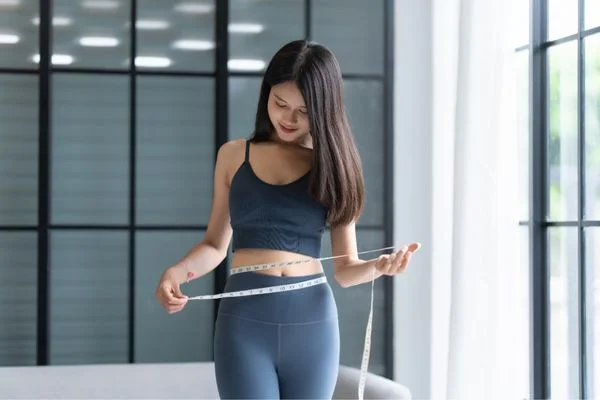
Slim fit clothing follows the natural shape of the body without clinging too tightly. It is tailored closer at the waist, chest, hips, or thighs, depending on the garment. Slim fit works well for those who prefer a clean, modern silhouette.
However, a slim fit should never feel restrictive. If you cannot move comfortably or if fabric pulls across the chest or hips, the garment is too small.
Regular Fit
Regular fit is designed for comfort and ease of movement. It is not tight, but it should not look baggy either. This fit is ideal for everyday wear and works well across many body types.
A proper regular fit should skim the body and allow room without excess fabric pooling or sagging.
Relaxed or Loose Fit
Relaxed fit clothing offers more room throughout the garment. This fit is popular for casual wear, street style, and comfort-focused pieces. While relaxed does not mean oversized by default, it should still look intentional.
The key to pulling off relaxed fit clothing is balance. If one piece is loose, consider pairing it with something more structured.
How Tops and Shirts Should Fit
T-Shirts
A well-fitting t-shirt is one of the most underrated wardrobe essentials. The shoulder seams should align with the edge of your shoulders. Sleeves should end around mid-bicep for a balanced look, not flaring out or hugging too tightly.
The body of the shirt should lightly skim your torso. If it clings or stretches across the chest or stomach, it is too small. If it billows like a sail, it is too large. Length matters too. A t-shirt should generally fall a few inches below the waistband without covering your entire backside.
Button-Down Shirts
Fit issues are most noticeable with button-down shirts. Look closely at the chest area. If buttons pull or create gaps, size up or try a different cut. The collar should sit comfortably without squeezing your neck or leaving too much space.
Sleeve length is another key detail. Cuffs should end right at the wrist bone. When tucked in, the shirt should stay put without ballooning excessively around the waist.
Jackets and Outerwear Fit Guide
Outerwear can make or break an outfit, especially since it often sits on top of everything else.
Blazers and Structured Jackets
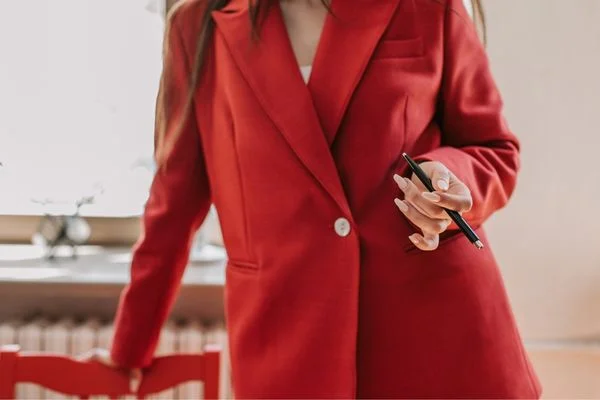
The shoulders are non-negotiable here. If the shoulders do not fit, tailoring will be difficult and sometimes impossible. The jacket should button comfortably without pulling and should create a clean line down the front.
Sleeves should show a small amount of shirt cuff underneath, usually about half an inch. The length of the blazer should cover the seat without looking too long.
Casual Jackets and Coats
For casual jackets, comfort is key, but shape still matters. You should be able to move your arms freely and layer underneath without feeling restricted. The jacket should not bunch up at the back or feel tight across the chest.
Long coats should follow your body line and not overwhelm your frame. If the coat looks like it is too large, it is likely too large.
Pants and Trousers: Getting the Fit Right
Waist and Rise
The waistband should sit comfortably without digging in or sliding down. You should not need a belt to hold up properly fitting pants, although belts can still be worn for style.
Rise refers to the distance between the waistband and the crotch. A rise that is too low can feel uncomfortable and unflattering, while a rise that is too high can look outdated or awkward, depending on your proportions.
Hips and Thighs
Pants should allow you to sit, walk, and bend comfortably. If fabric pulls across the hips or thighs, size up or try a different cut. Slim or tapered styles work well for streamlined looks, while straight or relaxed cuts offer more ease.
Length and Break
The length of your pants affects the entire silhouette. A slight break means the fabric rests gently on top of the shoe. No break creates a clean, modern line, especially for tailored pants. Too many breaks can look sloppy and unintentional.
Tailoring pant length is one of the easiest and most effective adjustments you can make.
Dresses and Skirts Fit Guide
Dresses
A dress should follow your natural shape without clinging uncomfortably. Pay attention to the bust, waist, and hips. If one area fits but another does not, tailoring can often solve the issue.
Length matters based on style and occasion. Mini dresses should allow comfortable movement, midi dresses should hit at a flattering point on the calf, and maxi dresses should skim the floor without dragging.
Skirts
The waistband should sit flat without rolling or pinching. Pencil skirts should skim the hips and thighs without restricting movement. A-line skirts should sit smoothly at the waist and flow outward without looking stiff.

How to Find the Right Fit When Shopping Online
Online shopping adds another layer of challenge, but it is manageable with the right approach.
Always check the size chart instead of relying solely on your usual size. Brands vary widely in their sizing. Measure your bust, waist, hips, and inseam, then compare them to the chart provided.
Read customer reviews carefully, especially comments about fit, stretch, and fabric thickness. Photos from other buyers can also give valuable insight into how the clothing looks on different body types.
When possible, order two sizes and return the one that does not fit. It may feel inconvenient, but it saves time in the long run.
Common Fit Mistakes and How to Avoid Them
One of the biggest mistakes people make is buying clothes that are too small with the hope of fitting into them later. Clothes should fit your body now, not a future version of it.
Another common issue is ignoring tailoring. Even affordable clothing can look high-end when tailored properly. Simple alterations like hemming pants or taking in a waist can transform a garment.
Lastly, do not confuse tight with flattering. Clothes that pinch, pull, or restrict movement rarely look good, no matter the trend.
Tailoring: The Secret Weapon of Great Style
Tailoring is often overlooked, but it can elevate your wardrobe instantly. A good tailor can adjust hems, sleeves, waists, and more. This is especially useful for investment pieces like blazers, trousers, and dresses.
The key is to buy clothes that fit your largest area and tailor down the rest. Taking something in is usually easier than letting it out.
Clothing Fit Guide for a Wardrobe That Fits Your Lifestyle
Fit is not just about measurements. It is also about how you live your life. If you sit at a desk all day, you need clothes that stay comfortable when seated. If you are always on the move, stretch fabrics and flexible fits matter.
Think about where and how you wear your clothes. A wardrobe built around your actual lifestyle will always feel more wearable and satisfying.
Finding Your Fit and Owning It
There is no universal definition of a perfect fit. What matters most is how your clothes make you feel. Comfortable, confident, and like yourself.
Use this clothing fit guide as a foundation, not a rulebook. Experiment, adjust, and pay attention to what works for your body and your life. When your clothes fit well, getting dressed becomes less stressful and a lot more fun.
And honestly, that alone is worth the effort.