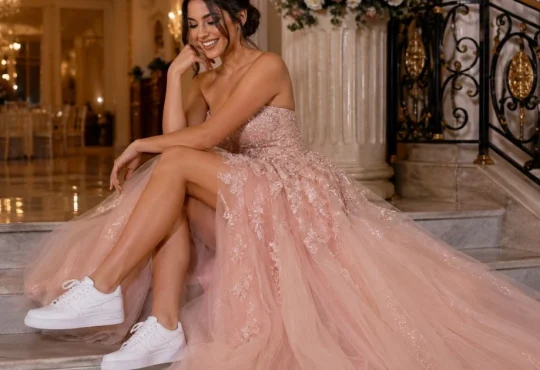

Getting dressed should feel simple, but it often turns into a guessing game. Many people have closets full of clothes, yet still feel like nothing works together. That is where learning how to style outfits becomes useful. It is not about owning more pieces. It is about knowing how to combine what is already there in a way that looks balanced and intentional.
Recent fashion coverage and trend reports have focused less on strict rules and more on flexible styling. The idea is to build outfits that feel natural, wearable, and expressive without overthinking every detail. Color plays a major role in this shift. When color combinations make sense, even basic outfits look polished.
This guide breaks down how to style outfits with color in a practical way. It covers simple combinations, common mistakes, and ways to build confidence when mixing tones. Each section provides clear direction so outfits feel less random and more put-together.
Why Color Matters When You Style Outfits
Color is often the first thing people notice in an outfit. Before the cut, the fabric, or the brand, color sets the tone. A well-chosen palette can make an outfit look expensive even when the pieces are simple. Fashion editors and stylists continue to highlight that strong color coordination creates visual harmony. When colors clash without purpose, the outfit can feel messy. On the other hand, when shades work together, everything looks more intentional.
There is also a psychological side to color. Neutral tones tend to feel calm and clean, while brighter colors feel bold and energetic. Understanding this helps guide decisions based on the setting, whether casual, formal, or in between.
Understanding The Basics Of Color Combinations
Learning how to style outfits starts with understanding a few basic color relationships. These are not strict rules but useful starting points. Complementary colors sit opposite each other on the color wheel. Examples include blue and orange or red and green. These combinations create contrast, which makes outfits stand out. Analogous colors sit next to each other, such as blue, teal, and green. These combinations feel softer and more cohesive. They are easier to wear for everyday outfits.
Monochromatic styling uses different shades of the same color. This is one of the simplest ways to achieve a clean, modern look. For example, pairing light beige with deeper brown tones creates depth without clashing.
How To Style Outfits With Neutral Colors
Neutral colors are the backbone of most wardrobes. Shades like black, white, beige, gray, and navy are easy to mix and match. One effective way to style outfits is to build around neutrals first. Start with a base like black pants or a white shirt, then layer in other tones. This approach reduces the risk of color clashes.
Another advantage of neutrals is versatility. A single neutral piece can be styled in multiple ways depending on what it is paired with. This makes them essential for anyone looking to simplify their wardrobe. Adding texture is also important when working with neutral colors. Since the color palette is subtle, fabrics like denim, wool, or linen help add visual interest.
Adding Color Without Overwhelming The Outfit
Bright colors can elevate an outfit, but too many at once can feel chaotic. The key is balance. A simple method is to use one bold color and keep the rest neutral. For example, a bright green top paired with black trousers creates a strong focal point without overwhelming the look. Another approach is to use color in smaller details. Accessories like bags, shoes, or scarves can subtly introduce color. This works well for those who prefer a more understated style.
Layering also helps manage color. A colorful piece under a neutral jacket softens the overall look while still adding personality.
How To Style Outfits Using Seasonal Color Trends
Fashion trends often highlight certain color palettes each season. While trends change, they can still serve as inspiration. Recent trend reports have leaned toward earthy tones, soft pastels, and bold primary colors. These palettes are easier to adapt because they mix well with existing wardrobe staples.
Instead of following trends completely, it helps to pick one or two colors that fit personal style. This keeps outfits current without feeling forced. Mixing trend colors with classic neutrals is one of the easiest ways to stay stylish while maintaining balance.
Mixing Prints And Colors The Right Way
Combining prints with color can be tricky, but it is not impossible. The key is coordination. Start with one dominant print and build around it. If the print includes multiple colors, choose one to match the rest of the outfit. Keeping one element simple helps avoid visual overload. For example, pairing a patterned shirt with solid-colored pants keeps the look grounded.
Scale also matters. Mixing a large print with a smaller one creates contrast without clashing. When done right, this adds depth and interest to the outfit.
Building A Capsule Wardrobe For Easy Styling
A capsule wardrobe focuses on fewer, high-quality pieces that work well together. This makes styling outfits much easier. The idea is to choose items in a consistent color palette. Neutral tones combined with a few accent colors create flexibility.
With fewer pieces, every item needs to match multiple others. This naturally improves outfit coordination and reduces decision fatigue. Capsule wardrobes are especially helpful for those who struggle with mixing colors. The limited palette ensures that most combinations will work.
Common Mistakes When Trying To Style Outfits
Even simple outfits can go wrong when certain mistakes are repeated. One common issue is using too many colors at once. This can make the outfit feel unorganized. Sticking to two or three main colors usually works better. Another mistake is ignoring undertones. Some colors have warm or cool tones, and mixing them without intention can look off. Paying attention to undertones helps create harmony.
Overmatching is also something to avoid. Wearing the same shade throughout can feel flat. Adding slight variations in tone creates depth.
How To Style Outfits For Different Occasions
Different settings call for different approaches to color. For casual outfits, there is more freedom to experiment. Brighter colors and relaxed combinations often work well here. In professional settings, neutral and muted tones are usually safer. They create a polished and clean appearance.
For events or formal occasions, deeper colors like navy, burgundy, or black tend to look more refined. Adding subtle accents can enhance the overall look without being too bold.
Using Accessories To Improve Color Balance
Accessories play a major role in styling an outfit. They can either complete the look or throw it off. Choosing accessories that match or complement the outfit helps maintain balance. For example, pairing warm-toned clothing with gold accessories creates a cohesive look.
Shoes are another key element. Neutral shoes are more versatile, while colored shoes can make a statement. Bags, belts, and jewelry should not compete with the main outfit. Instead, they should support the overall color scheme.
Confidence And Personal Style Matter Most
While guidelines help, personal preference should always come first. Styling outfits is not about following strict rules but about finding what feels right. Confidence often makes the biggest difference. When an outfit feels comfortable, it shows. This can make even simple combinations look intentional.
Experimenting with different colors helps build confidence over time. Trying new combinations and learning from them is part of the process. There is no single correct way to style outfits. What matters is creating looks that feel authentic and wearable.
Frequently Asked Questions
- How To Style Outfits With Better Color Combinations
Start with a neutral base and add one or two complementary colors. This keeps the outfit balanced while still adding visual interest. Avoid using too many bold colors at once.
- What Colors Go Well Together For Everyday Outfits
Neutral colors like black, white, beige, and gray pair well with almost anything. Soft tones like pastel blue or muted green also work well for daily wear.
- Can Bright Colors Be Worn Without Looking Overdone
Yes. The key is moderation. Pair one bright piece with neutral tones to keep the outfit balanced and easy to wear.
- How Many Colors Should Be In One Outfit
Two to three main colors usually create the best balance. More than that can work, but it requires careful coordination.
- What Is The Easiest Way To Start Styling Outfits Better
Focus on simple combinations first. Build around neutral pieces, then slowly introduce color. This makes the process less overwhelming and more consistent.
Bringing Balance And Confidence To Every Outfit
Learning to style outfits becomes much easier when color is treated as a guide rather than a challenge. The goal is not to follow strict fashion rules but to understand how different shades interact. Once the basics of color combinations are clear, putting together outfits feels more natural and less forced. Simple choices like pairing neutrals with one standout color or sticking to two or three tones can already make a noticeable difference.
Consistency also plays an important role in building better style outfits. When a wardrobe has a clear color direction, it becomes easier to mix and match pieces without second-guessing every combination. This does not mean limiting creativity. It simply creates a foundation that supports more confident styling decisions. Over time, experimenting with new colors and combinations becomes less intimidating.
Confidence ties everything together. Even the most carefully planned outfit will not stand out without it. Wearing colors that feel comfortable and reflect personal taste makes any look more convincing. With practice, anyone can develop a stronger sense of how to style outfits that feel effortless, balanced, and true to their own style.